It’s a theme I have visited before. The answer is a resounding YES, though not all cancers have an infectious origin. But it’s growing and the day may come when we realize that almost all cancers are caused by pathogens, not carcinogens, DNA disruptions or metabolic anomalies (apologies to Dr. Thomas Seyfried).
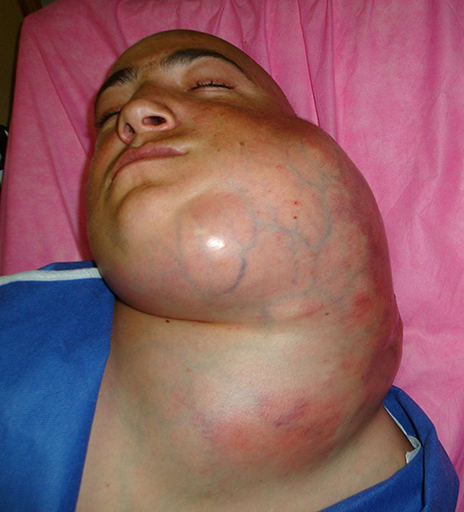
The first I ever heard of this was back in med school during Victorian times (NO! It’s just a joke. I’m not that old). We had a presentation for residents and medical students by Dr Denis Parsons Burkitt (1911–1993). This is the man for whom Burkitt’s lymphoma is named. This is a common and aggressive childhood tumor of the jaw and abdomen. In the late 1950s, by mapping its geographic spread across equatorial Africa, he proved that the cancer’s distribution matched regions with high rainfall and malaria. Burkitt’s research led to the discovery of the Epstein-Barr virus (EBV), making it the first human cancer proven to have a viral cause.
Nowadays EBV is implicated in a whole range of nasty tumors. I should worry, because I had a severe infection with EBV when I was in my teens. I got hepatitis so bad, I turned bright yellow (jaundice, of course).
Today it is estimated that about 2.3 million new cancer cases are caused by infections, including gastric cancer, cervical cancer, hepatocellular carcinoma, leukemias and lymphomas, and nasopharyngeal cancer, which accounted for 12% of all cancer cases worldwide (figures for 2024).
Helicobacter pylori, human papillomavirus, hepatitis B virus, Epstein-Barr virus, and hepatitis C virus accounted for nearly all cancers caused by infections.
Among the 12 commonest carcinogenic infectious agents, the largest numbers of cancer cases were attributable to:
• Helicobacter pylori: 760,000 cases
• Human papillomavirus (HPV): 750,000 cases
• Hepatitis B virus (HBV): 360,000 cases
• Epstein-Barr virus (EBV): 260,000 cases
• Hepatitis C virus (HCV): 160,000 cases
By contrast Kaposi’s sarcoma, the plague of HIV infections, clocks up only 35,000 cases
The Mechanism
But why? You might have noticed that all the infectious agents but one (Helicobacter) are viruses. Most cancers attributable to H. pylori were non-cardia (lower end) gastric cancers (700,000 cases).
This is no surprise. We don’t know much about viruses (astonishingly little, actually) but we do know they are bad news! They insert their DNA into a healthy cell and force it to start churning out their own DNA (some viruses it’s RNA), so we get more viruses. The full mechanism is still not fully understood.
But even the layman can figure out that messing with DNA can have consequences and one of those consequences is cancer.
According to Harriet Rumgay, PhD, of the International Agency for Research on Cancer in Lyon, France, and colleagues: “Our findings underscore the importance of accelerating control of infectious agents to achieve cancer prevention goals.”
Testing and treatment for H. pylori, Hep B, Hep C, and HIV; and the adoption of cervical screening programs. That’s a big problem, in my view, because of the many false positives and unnecessary actions which can, in themselves, be damaging to young women.
The challenge lies in the infections that currently have no effective prevention tools, of which EBV is the most notable.
So it’s a familiar old message coming over the airwaves again: reduce transmission, such as safe injection practices, condom use, and HIV pre-exposure prophylaxis.
A major priority would be the development of a safe and effective vaccine against EBV, which causes several cancers and has also been linked to multiple sclerosis.
Given regional variations in infection prevalence, healthcare infrastructure, vaccination coverage, and screening and treatment, “there is no single prevention strategy that will work equally well everywhere,” Rumgay said. “As a result, prevention strategies need to be tailored to local infection and disease patterns and healthcare needs, while ensuring equitable access to effective interventions.”
What Can We Do For Ourselves?
First, a reassuring distinction: you do not catch cancer by hugging someone who has it, sharing their company or holding their hand. Some infections that increase cancer risk can pass between people. The cancer itself does not ordinarily pass with them. Please keep up the hugs.
Some of the most useful preventive measures begin with a test rather than a shopping basket full of remedies.
Hepatitis B and C can remain silent for years. Feeling well does not necessarily mean that your liver has no unwelcome lodgers. If you have never been screened, ask your practitioner about testing: US recommendations include at least one screening for both infections in adulthood, with further testing when exposure risks continue.
And a positive result is an opportunity to act. Modern oral treatments cure more than 95% of hepatitis C infections, usually within eight to twelve weeks. Hepatitis B treatment generally suppresses rather than eliminates the virus, but appropriate treatment and monitoring can reduce liver complications and cancer risk. That is prevention with some real muscle behind it.
Although it is a bacterium rather than a virus, Helicobacter pylori deserves particular attention here. Ask whether testing is appropriate if you have a history of stomach ulcers, persistent indigestion, a family history of stomach cancer or an infected adult in your household. Breath and stool tests can identify active infection. If treatment is needed, arrange the follow-up test to confirm that it worked. Feeling better and getting rid of the organism are not necessarily the same thing.
Match your precautions to the infection.
Viruses have different travel arrangements. Advice that helps prevent a respiratory infection will not necessarily protect against a blood-borne virus.

For hepatitis B and C, never share needles or equipment used for injecting drugs. Choose reputable tattooing and piercing establishments with proper sterilization practices. Keep razors and toothbrushes personal: microscopic traces of blood can matter.
Condoms reduce the transmission of several sexually transmitted infections, although they cannot completely prevent HPV because uncovered skin can carry the virus. People with ongoing HIV exposure risk can also ask about preventive medication, known as pre-exposure prophylaxis (PrEP). Tablets can reduce the risk of HIV from sex by about 99% when taken consistently, and by at least 74% for injection drug use.
EBV spreads mainly through saliva. Avoid sharing drinks, toothbrushes and utensils, particularly with someone who has glandular fever. But keep this in perspective: 90% of adults already have antibodies indicating present or past EBV infection. Most never develop an EBV-associated cancer. Having had glandular fever is not a death sentence hanging over your head.
Give your defenses decent working conditions.
Sleep deserves more respect than it gets. In a study in which volunteers were exposed to a common-cold virus, shorter sleep measured beforehand was associated with a greater likelihood of developing a cold. That does not prove that sleep prevents infection-related cancer, but it is a useful reminder that our defenses need their nightly maintenance.
Eat varied, nourishing food, get adequate protein, move regularly and address nutritional deficiencies when they are present. There is a difference between correcting a shortage and assuming that ever-larger doses must produce ever-greater protection. Your immune system needs supplies; it does not need to be shouted at.
There’s my Liquid Gold Multivitamin and Mineral Formula, which will do just fine!
Cervical screening also deserves a place in prevention. Yes, unnecessary testing and treatment can cause harm, which is why appropriate intervals and careful interpretation matter. But a positive HPV test is not a cancer diagnosis, and many abnormalities need watching and waiting rather than immediate treatment. The aim is to identify significant precancerous changes while avoiding unnecessary intervention.
We need neither panic nor passivity. Discover what can be discovered, treat what can be treated, reduce avoidable exposure and give the body the care it needs.
Then get on with enjoying your life. That, after all, is what we are protecting.
To Your Good Health,

Prof. Keith Scott-Mumby
The Official Alternative Doctor
References
Primary Source: Rumgay H, et al “Global burden of cancer attributable to infections in 2024: a worldwide incidence analysis” Lancet Oncol 2026; DOI: 10.1016/S1470-2045(26)00307-4.
Centers for Disease Control and Prevention. Clinical Screening and Diagnosis for Hepatitis C; Clinical Care of Hepatitis C. Accessed October 22, 2026.
American College of Gastroenterology. ACG Guideline Highlights: Treatment of Helicobacter pylori Infection.2024. Testing indications and confirmation of eradication.
National Cancer Institute. Infectious Agents. Accessed October 22, 2026. Cancer-associated infections, transmission and prevention.
Centers for Disease Control and Prevention. About Epstein-Barr Virus (EBV). May 9, 2024.
Prather, Aric A., Denise Janicki-Deverts, Martica H. Hall, and Sheldon Cohen. “Behaviorally Assessed Sleep and Susceptibility to the Common Cold.” Sleep 38, no. 9 (2015): 1353–1359. https://doi.org/10.5665/sleep.4968. PubMed