
Kindness is one of the healthiest transformations we humans can go in for. It’s supposed to be a dog-eat-dog world out there and if you don’t crush the other guy and grab what you want, he’ll get it first and you’re a loser. That’s what’s in circulation.
But as usual, the truth is 180 degrees around: if you want to feel miserable, die young and really be a loser, don’t show respect and kindness to others. Researchers are now finding that it can prolong our lives as well.
A new study at the University of North Carolina at Chapel Hill has recently found that kindness may help slow the effects of aging.¹ While this study is not conclusive, it makes sense. If negative emotions affect us negatively, positive emotions should affect us positively.
In this study, 150 middle aged volunteers were separated into three groups. One group did mindfulness meditation training, the second group learned about loving kindness meditation, and the third group served as the control group. The researchers measured each volunteers’ telomeres (caps on the end of your chromosomes that protect your DNA) at the beginning and end of the study. As we grow older, our telomeres get shorter. The shorter they get the shorter your life expectancy is, so they are a good marker for longevity.
At the end of the experiment all three groups had shorter telomeres, but the group that had practiced loving kindness had less shortening than the other two groups. The control group’s telomeres were the shortest. The researchers concluded that practicing kindness for just a few weeks slowed aging slightly, prompting hopefulness that we can slow our own aging process by doing the same thing in our daily lives.
This is good.
Who remembers Ann Herbert’s glorious phrase Random Acts Of Kindness And Senseless Acts Of Beauty (1982)?
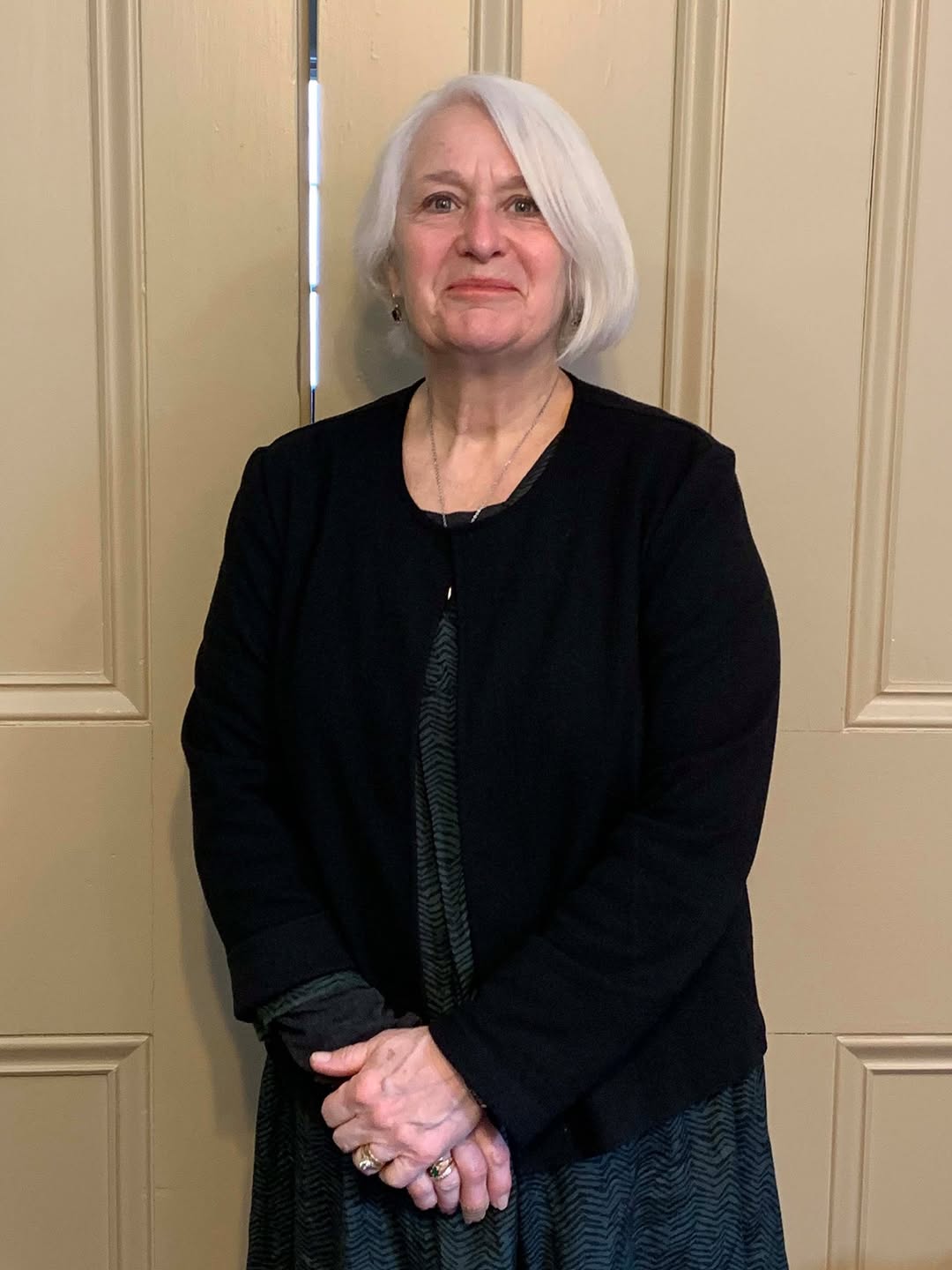
Written on a restaurant placemat by author Anne Herbert in 1982 as a direct counter-phrase to “random acts of violence and senseless acts of cruelty”, which we used to hear a lot. What a subversive idea, to be kind, especially in such a hostile world. It became a movement, which flourished for a time. I’m sorry to say it’s not so much in public consciousness right now. Everyone is so nervous about their own safety and the world’s future, there doesn’t seem to be time to worry about others.
It’s the wrong approach. If you look after and care for others, they will look after you. You need to be in a community that is bonded by shared humanitarian views.
Ann Herbert’s movement was FUN – playful – and encourages creating positive, unexpected moments without expecting anything in return, fostering a world focused on care, impish playfulness and joy rather than selfish gain.
Random Acts of Kindness were small, unselfish, unexpected, and often anonymous acts of help or goodwill.
Examples: Buying coffee for a stranger, leaving a kind note, helping someone with a task, smiling at a stranger, or donating to charity.
Senseless Acts of Beauty: Creating or appreciating beautiful things that serve no practical or rational purpose, emphasizing the value of wonder, nature, and joy over utility.
Examples: Placing flowers in a neglected spot, creating public art, or creating artful surprises that serve no functional purpose.
But while you are busy doing good, don’t forget BEING KIND TO YOURSELF. This is a version of Tal Ben-Shahar’s “platinum rule”: treat yourself as you would want others to treat you! (a step beyond the “Golden Rule”: treat others as you would want them to treat you).²
Acceptance and commitment therapy (ACT) is an action-oriented approach to psychotherapy and self-healing where you learn to stop avoiding, denying, and struggling with your inner emotions and, instead, accept that these deeper feelings are appropriate responses to certain situations that really do not prevent you from moving forward in your life. Only your attitude about these tricky emotions is what sticks you in place.
With this understanding, you can begin to accept your hardships and commit to making necessary changes in your behavior, regardless of what is going on in your life and how you feel about it.
ACT was developed in the 1980s by psychologist Steven C. Hayes, a professor at the University of Nevada.³ The ideas that coalesced into ACT emerged from Hayes’s own experience, particularly his history of panic attacks. Eventually, he vowed that he would no longer run from himself—he would accept himself and his experiences.
His words are very telling:
“We as a culture seem to be dedicated to the idea that ‘negative’ human emotions need to be fixed, managed, or changed—not experienced as part of a whole life. We are treating our own lives as problems to be solved as if we can sort through our experiences for the ones we like and throw out the rest.”
That’s just a kind of denial that never really works well. In other words a HOAX.
Truth is, practicing kindness to SELF and OTHERS can be rewarding in many scientifically determined ways:
• Kindness releases endorphins in our brain which help alleviate pain.
• People who practice kindness age slower and have less stress than average.
• Kindness improves mood and helps with depression and anxiety. It stimulates the production of serotonin, which heals, calms and increases happiness.4
• Kindness also releases oxytocin, which aides in the release of nitric oxide which dilates blood vessels to reduce blood pressure.
• Kindness stimulates dopamine in the brain causing your pleasure centers to light up.
• Practicing kindness improves our self-esteem.
• Being kind to others helps people bond.
Thing is, kindness is a version of love. It’s tolerance. It’s harmony. It calms and relaxes. There is abundant science showing that loving and being loved is healing, soothing and prolongs life.
It’s good for us!
This week I challenge you to willfully practice kindness. Make a point of being kind to others and being kind to yourself. Not only will you slow the aging process, you’ll feel great about yourself while making others feel good too. If you need a hand getting into the proper mindset for being kind to others, multi-media sensory stimulation, MMSS as I call it, can help. Listening to a positive, motivating creative visualization audio session will help you release stress, sleep better enabling you to be kinder to yourself and others.
Here’s the link: alternative-doctor.com/electronic-meditation
There is a lovely book which speaks admirably to this theme: The Power of Kindness: The Unexpected Benefits of Leading a Compassionate Life by Piero Ferrucci.
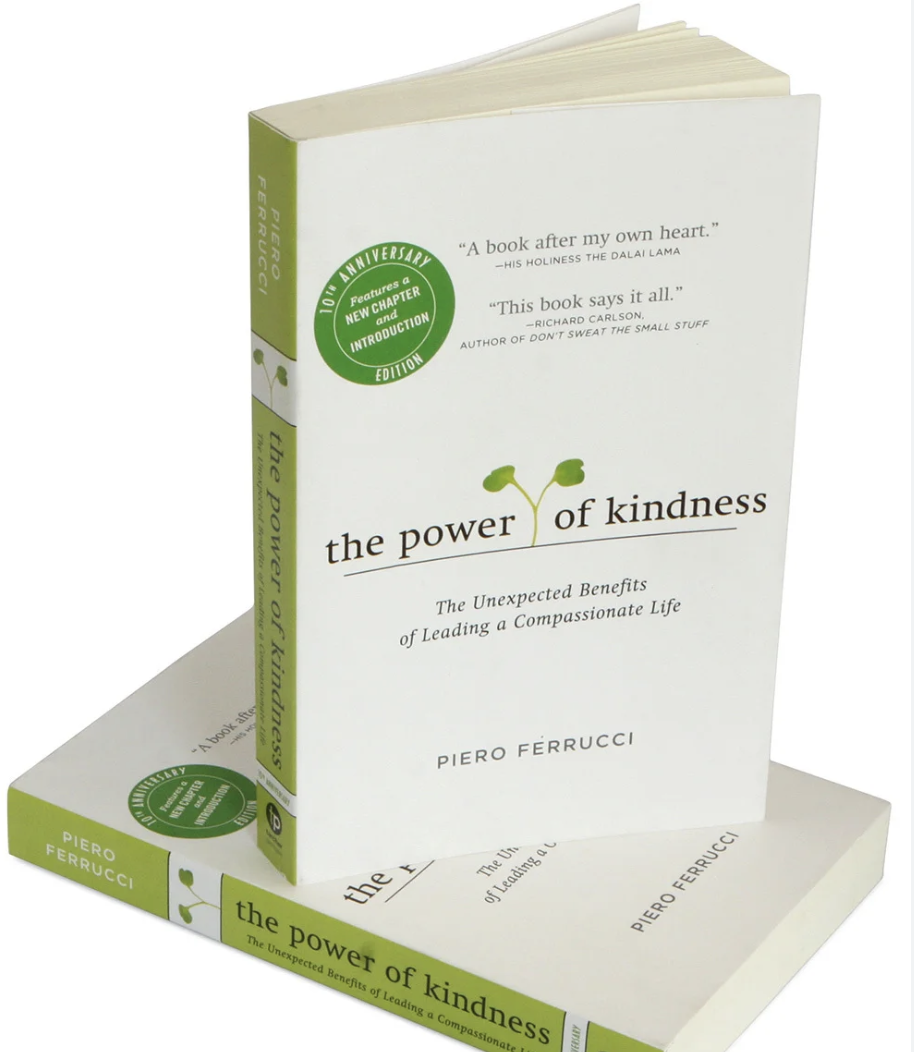
Ferucci argues that kindness is a fundamental key to personal happiness and a thriving world, not a mere luxury. The book, written by a transpersonal psychologist (he was a pupil of Roberto Assagioli), explores various facets of kindness like honesty, forgiveness, and empathy, presenting them as essential virtues that lead to a more fulfilling life, counteracting the coldness of modern society. It combines philosophical depth with practical advice, using stories and exercises to show how small acts of decency can transform individuals and the world.
Ferucci is a staffer at the Psychosynthesis Institute in Florence, Italy.
Be kinder and more loving!
Prof. Keith Scott-Mumby
The Official Alternative Doctor
References:
- Loving-kindness meditation slows biological aging in novices: Evidence from a 12-week randomized controlled trial. Psychoneuroendocrinology, 108, 20–27. https://doi.org/10.1016/j.psyneuen.2019.05.020
- https://en.wikipedia.org/wiki/Steven_C._Hayes
- https://www.mayoclinichealthsystem.org/hometown-health/speaking-of-health/the-art-of-kindness