Remember sometime ago I wrote about so-called “turbo-cancers”. There has been hysteria that these “must be” due to COVID vaccines. But I refuted it with simple evidence that colon cancer in young people has been on the rise, starting from a time long before the COVID storm. Here: https://alternative-doctor.
I stand by my position. But there have been interesting developments and orthodoxy is getting interested in the issue. Maybe it’s the microbiome? There are some genetic traits (they always trot those out, as if it’s some kind of magic rite) but not enough to explain all cases. But certainly there are environmental factors too.
I agree with that!
But what interest is this to us Boomers and Oldies? Actually more than you think. Yes there has been a surge in younger kids (under 50). But we are all vulnerable to this particular grotesque tumor.
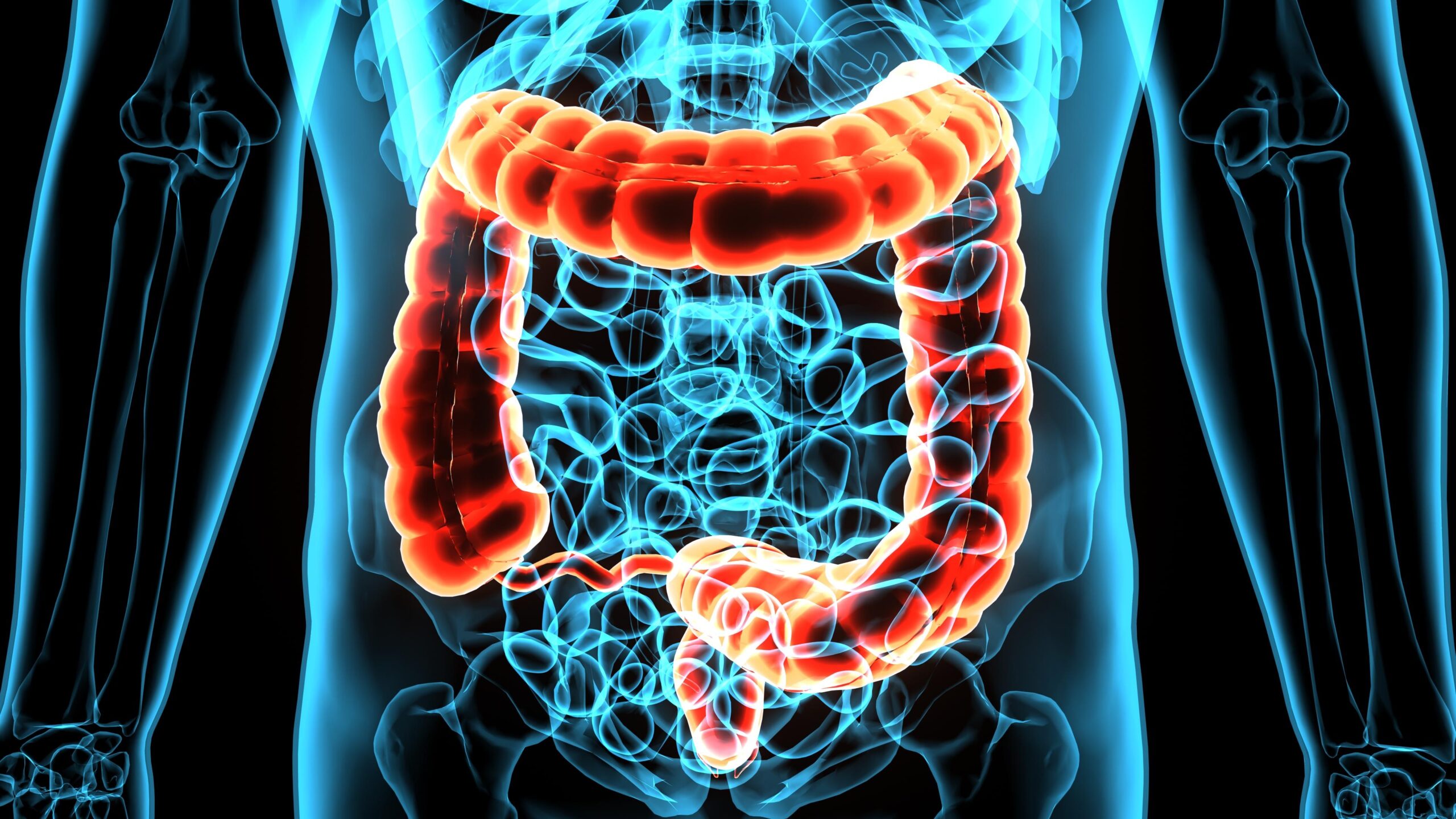
Colorectal cancer (to give it its full title) is the third-leading cause of cancer-related deaths in men and the fourth leading cause in women, but it’s the second most common cause of cancer deaths when numbers for men and women are combined. It’s expected to cause about 55,230 deaths during 2026.¹
From 2013 to 2022, incidence rates dropped by about 1% each year. But this downward trend is mostly in we older adults. In people younger than 50 years of age, rates have increased by a staggering 2.9% per year from 2013 to 2022 (as I said earlier, starting long before COVID on the mRNA vaccines which conspiracy theorists like to blame). In adults aged 50-64, the rate has increased by 0.4% per year during this time.
So it’s a real worry. And you should pay attention.
Prof. Note: Look, there are 4 main causes of disease: environmental, degeneration, genetics and malnutrition. “Faulty nutrition” would be a better term than malnutrition, since most people in the West overeat but are still malnourished. Microbes, parasites, viruses and other infections, don’t forget, are environmental in origin, meaning “in the environment, coming from outside”.
Thing is, the smart scientists are now looking at the microbiome as a real danger zone. Ironically, that is an environmental issue, since the gut is really, technically, “outside” our bodies (you could pass a string from the mouth to the opposite end, so we are really a donut!)
So is food an environmental factor. Our ultra-processed diets, plus the wrong—possibly toxic—microbes living within constitute a major environmental threat. Throw in the toxic chemical burdens, especially those which contaminate our food, and we have a problem. A BIG problem.
No question: the term “turbo-cancers” fits well with what is happening in our colons; just that the assumed cause is wrong and environmental factors are more likely to blame (yes, yes, a vaccine would technically be an “environmental” insult. But let’s not get tricky here).
Ohio State University oncologist Ning Jin has declared herself alarmed by the number of patients in their 30s and 40s with late-stage cancer in their lower digestive tract. It’s not just that these patients are decades younger than what had been typical for colorectal cancer; Jin says the tumors themselves are also more stubborn to treat.
“Even though we treat young patients with more aggressive chemo — more chemo or more surgery — patients’ outcomes are not necessarily better,” Jin says. And the disease has become the top cancer killer among people under 50 — even as death rates decline in older age groups, as I said.
It is highly unusual to see dramatic changes in disease patterns within a single generation. But that’s precisely what veteran oncologist Dr. John Marshall, head of clinical research at the Lombardi Cancer Center at Georgetown University, has observed.
“Thirty-plus years ago, when I first started, no one — no one; zero number of patients — were in my clinic under the age of 50 with colon cancer,” he says. “And now it is almost half of the patients that I see.”
That’s a staggering shift in demographics. Marshall says there are other changes in disease pattern, too: Earlier onset tumors tend to show up differently — more tumors are found near the rectum, lower in the tract.
Doctors claim that advances in science in recent years have made many cancers more treatable and survivable — but not colorectal cancer, which has become more lethal, striking people at younger ages. And it’s occurring more often too.
Increasingly, doctors suspect that the gut’s microbiome is a key factor behind these forms of cancer in particular.
Genetics plays some role in colorectal cancers. Dr. Jin says as many as a fifth of patients have hereditary markers — like a genetic mutation for Lynch syndrome — that increase the risk of getting colorectal cancer, among others. But genetics do not explain what drives the vast majority of cases — about 80% of colorectal cancers.
So Jin and others have concluded: “There must be some environmental factors or changes.”
“The way I think of it is, it’s our soil; it’s a very important part of our interface with the world,” Dr. Marshall says, because digestive organs’ primary role is to help incorporate the things we eat into our bodies.
“What I think is that we have somehow altered the soil in some way so that it’s now causing this phenomenon of colon cancer,” he says. “It may be causing other diseases, too. But the most striking one is colon cancer.”
Smart thinkers suspect several factors may be leading to these more frequent, virulent cancers: One is our greater reliance on ultra-processed foods, as well as plastics and chemicals that can leach into water and our bodies. Plus, there are other notable lifestyle changes: As a population, we are not as active as we used to be.
Let’s list those:
• Ultra-processed foods
• Plastics from the environment
• Chemical pollution
• Not so active
All of those factors act on our gut and can trigger widespread changes in the microbiome (the bacteria and myriad microorganisms living there). And a disturbed microbiome may contribute to colorectal cancer.
Escherichia coli or E. coli is a part of family of bacteria that are commonly found in the human gut. Scientists found that a toxin the bacteria release is linked to some cases of colorectal cancer. Colibactin, from certain strains of E. coli and other bacteria, causes DNA damage, which could well be a precursor of cancerous changes.
Trouble is, it’s incredibly difficult to study the microbiome and it effects; it’s so VAST in scope. There are trillions of organisms down there, all sharing their own genes. It amounts to just one thing: you need to take care of your microbiome; I mean, seriously!
What Can We Do?
To keep the human microbiome thriving, the broad aim is simple: feed the beneficial organisms, avoid carpet-bombing them, and maintain the body’s natural rhythms.
1. Eat a wide diversity of plant foods—aim for 30+ different vegetables, fruits, herbs, nuts, seeds, legumes, and whole grains each week. Diversity feeds diversity.
2 Prioritize fibre-rich foods: oats, beans, lentils, onions, garlic, leeks, asparagus, artichokes, flaxseed, chia, apples, berries. Jerusalem artichokes are stars!
3. Include fermented foods regularly: Yogurt, Kefir, Sauerkraut, Kimchi, miso, tempeh, kombucha (if tolerated).
4. Eat polyphenol-rich (brightly colored) foods—these are microbial fertiliser: blueberries, pomegranate, cocoa, green tea, olives, extra virgin olive oil, colourful veggies, spices.
5. Spend time in nature— soil microbes, plants, forests, and even gardening increase exposure, especially to a very valuable microbe called Mycobacterium vaccae. It has become famous because research suggests it may help regulate immunity and positively influence mood and stress resilience.2 Get your hands dirty!
6. Avoid unnecessary antibiotics; as you know, they can dramatically reduce microbial diversity for months or longer.
7. Limit ultra-processed foods—emulsifiers, artificial sweeteners, preservatives, and low-fiber processed diets may disrupt gut ecology. Yuck. Who would eat this crap anyway?
8. Get enough omega-3 fats: walnuts, flax, chia, oily fish.
9. Correct low vitamin D if present; it influences gut immunity and microbiome balance.
10. Stay hydrated; microbes like a well-hydrated intestinal environment.
11. Chew food thoroughly; digestion begins in the mouth, and the oral microbiome matters too.
12. Reduce smoking and heavy alcohol use—they strongly disturb microbial balance. Better still STOP!
13. Don’t forget good sleep and adequate exercise. They too play a vital role.
And remember: the microbiome is less like a machine and more like a rainforest: richness, variety, and steady care make it flourish.
To your good health!
 Prof. Keith Scott-Mumby
The Official Alternative Doctor.
References:
- https://www.cancer.org/cancer/types/colon-rectal-cancer/about/key-statistics.html
- Holbrook EM, Zambrano CA, Wright CTO, et al. Mycobacterium vaccaeNCTC 11659, a Soil-Derived Bacterium with Stress Resilience Properties, Modulates the Proinflammatory Effects of LPS in Macrophages. Int J Mol Sci. 2023;24(6):5176. Published 2023 Mar 8. doi:10.3390/ijms24065176