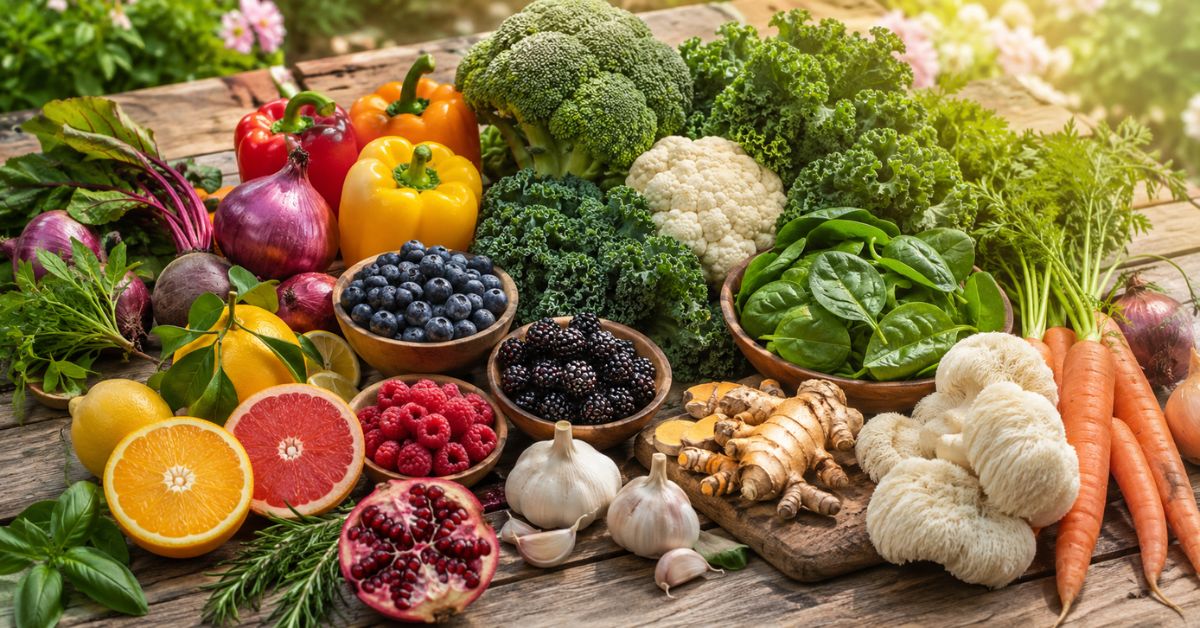
Good nutrition, as I have always taught, comes through including the good and eliminating the bad!
For this newsletter I’m side-stepping eliminating the bad (avoiding what I call “Bandit Foods”), which are inflammatory, and just looking at the positive qualities of a range of foods which help protect against cancer—or which will help fight it, if you have already been unlucky enough to contract cancer.
Don’t forget my “3 Pillars of Healing” in this context:
1. Good nutrition, including avoidance what your body doesn’t tolerate
2. Chemical clean up of your personal environment
3. Psychological detox (this is the one which is usually omitted, often with disastrous consequences)
As for cancer-beating foods, remember the FDA, CDC, ACS and AMA do not admit such a concept. But then, their management of cancer is a disaster in the extreme.
Instead, we can turn to Loma Linda University, in California, for direct information concerning which foods might keep you safe.
Loma Linda University, if you don’t know, is a Seventh Day Adventists institution. These are the people who live exceptionally long and healthy lives, which they attribute to vegetarianism and alcohol avoidance. Great for some but certainly not for everyone.
Research shows certain plant foods contain powerful compounds — called phytochemicals — that can help fight cancer and reduce the risk of its development. These specific foods may hold a key to prevent the growth of cancer cells in the body, writes Andrew Woodward, an oncology nutritionist at Loma Linda University Cancer Center.
[https://news.llu.edu/patient-care/7-foods-fight-cancer-heart-disease-and-enhance-health]
Thing is, it’s now well-known that inflammation has been shown to promote cancer cells to grow and spread. It so happens that foods are the worst and commonest sources of inflammation within the body, particularly manufactured foods, vitiated grains and processed seed oils.
But it gets tricky because few “experts” seem to know what I learned 40 years ago: every individual is different and everyone has their own inflammatory or “Bandit Foods.” You can’t generalize and say “these foods are good,” although you can say certain foods are “bad” but some good foods are bad for certain individuals. (my mother and sister, for example, get really sick if they accidentally eat anything from the lily family (onions, garlic, leeks, etc.)
But there is some common ground. Just don’t go supposing that one overall rule applies to everyone; for every “healthy” food you can name, I had dozens or scores of individuals who were made ill by it (Yes, even different spring waters)!
The Linda Loma University website focuses on certain food groups and calls them all functional, although I do not, for reasons just explained. But they are well worth including in your diet, if you fully tolerate them.
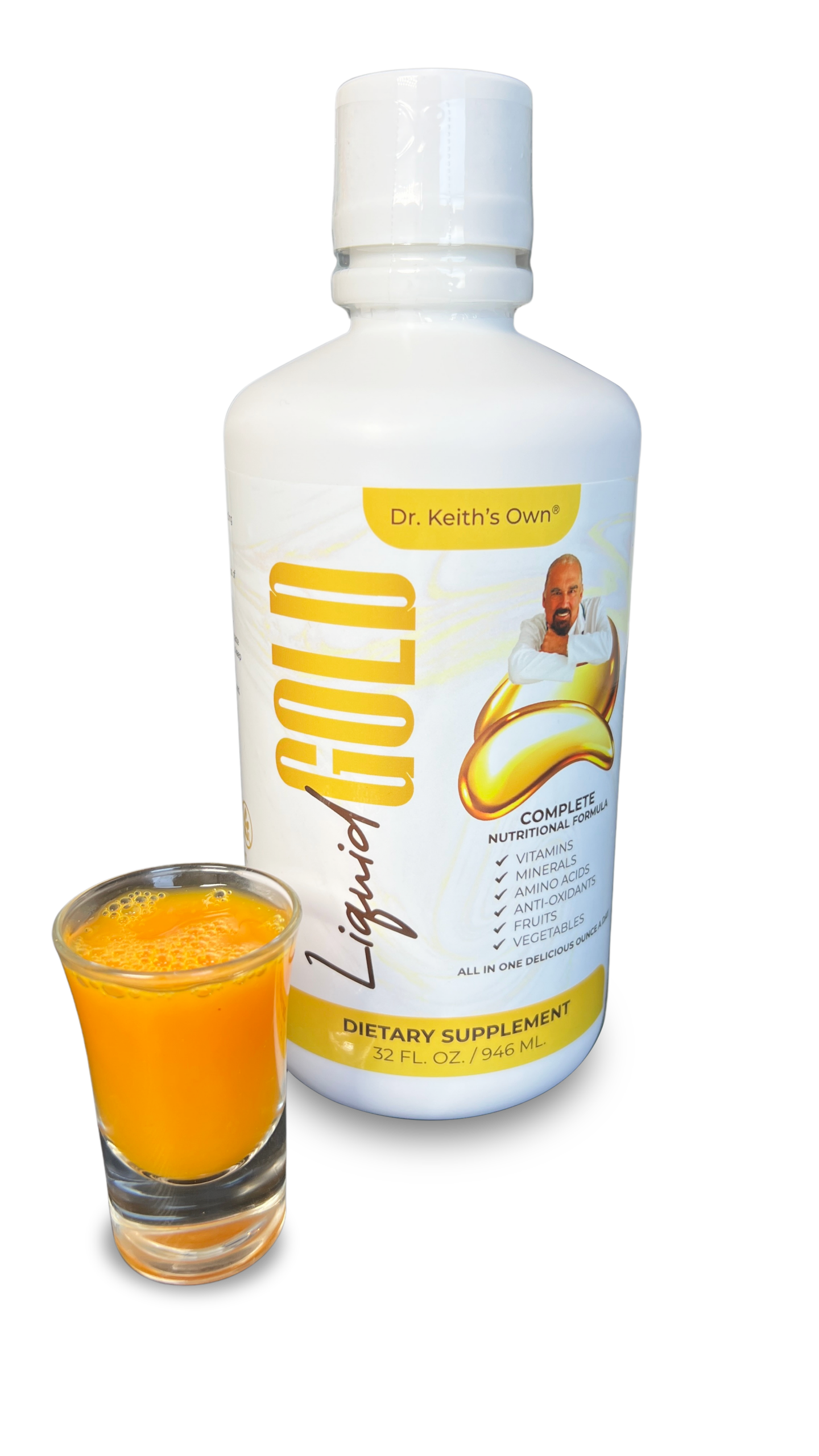
So much so that I have put a selection of these foods in my “Liquid Gold” reborn mix! (not that I am suggesting this is the same as eating a proper portion of each of the foods).
These are:
Berries — including acai, blueberries, blackberries, raspberries, chokeberry, mangosteen, blackcurrant (packed with vitamin C), bilberries and lots of pomegranate. They taste sweet but technically are low in sugar (low glycemic index).
The darker berries (blueberry and blackberry, for example) contain blue-purple antioxidants called anthocyanins, that reduce inflammation and protect the brain from oxidation. These are king among antioxidants.
Berries also contain ellagic acid, which neutralizes carcinogens and has anti-tumor benefits. Blueberries contain pterostilbene — a powerful antioxidant and can reduce inflammation.
Cruciferous vegetables — Broccoli, Brussels sprouts, bok choy, cabbage, cauliflower, collard greens and kale are all considered cruciferous vegetables. These vegetables contain indole-3 carbinol (I3C), which reduces hormone-sensitive cancers; sulforaphane, which deactivates carcinogens; and fiber, which is a humble cancer preventive.
Garlic and onions — The National Cancer Institute suggests garlic and onions may reduce the risk of stomach, colon, esophageal and breast cancer. Garlic is famous, of course, for its measurable anti-bacterial, anti-fungal and anti-inflammatory benefits, as well as cancer-fighting properties. Cancer prevention comes from many sulfur-containing substances, including allicin and diallyl sulfide (DAS), which appear to deactivate carcinogens and prevent DNA mutations. Onions offer many of the same benefits, providing quercetin and sulfur-containing molecules that block some carcinogens and induce apoptosis, a process that kills cancer-trending cells.
Hericium erinaceous (lion’s mane mushroom) is delicious, eaten raw!
Turmeric — Turmeric (active ingredient curcumin) is a golden-yellow colored seasoning used in many Indian dishes, curries and mustards. There have been more than 6,000 studies of Turmeric. Its anti-inflammatory, antibacterial and antioxidant properties help fight cancer. Curcumin appears to reduce tumor reproduction, reduce blood vessel formation, reduce invasion and induce tumor cell death.
It’s not very bioavailable but, hey, just eat LOTS of it!
Spinach and other green leafy vegetables — Spinach is a powerhouse of nutrients whether eating raw, juiced or lightly cooked. Spinach is loaded with: vitamin K, which promotes blood clotting; carotenoids, which supports eye health and antioxidants; fiber; folate, which aids DNA formation and repair; and other phytochemicals. Several studies suggest that phytochemicals glycoglycerolipids and carotenoids fight cancer; especially prostate, breast and stomach types.
You’ll read “Google experts” whining about oxalates in spinach, as if that was going to kill you! Baby spinach has less oxalate, so the absorption of calcium and iron is greater. Spinach and arugula also contain plant nitrates that produce nitric oxide and nourish the endothelium (inner lining) of blood vessels.
Ginger and other seasonings — Certain compounds found in ginger make it a powerful anti-inflammatory and antioxidant food to reduce oxidative stress that your body has to fight on a daily basis. Ginger is also useful to calm the stomach and reduce nausea. Other seasonings such as basil, oregano, dill, cinnamon, clove and many others to flavor foods may well reduce inflammation. Using these in their dry form maintains their shelf life for about two years, while also preserving them in a concentrated form. Adding seasonings to recipes also reduces the need for excess salt, adding more antioxidants and add flavor.
Woodward also commends mushrooms, as I do. But there are none in my multi-formula. Mushrooms, in addition to adding flavor to foods, have an assortment of immune modulation substances called betaglucans. Other noteworthy benefits include antioxidants, reducing hormone-related tumors and reducing excess inflammation. These benefits can have the most impact when eating mushrooms that are fresh, cooked, powdered or dried.
Many other plant foods have cancer-fighting properties and health-enhancing benefits. “Add variety to a healthy diet with beets, carrots, chili peppers, citrus fruits, seaweed, tomatoes, etc,” Andrew Woodward says. “The more colors on your plate, the better.” I second that.
However, other factors are also important for cancer-prevention, such as exercising, avoiding toxin exposure, not smoking or consuming too much alcohol, sleeping well and controlling stress.
Talk with your healthcare provider if you have questions about cancer.
For a simple nutrient-dense formula for health and longevity, take my Liquid Gold vitamin and minerals formula. It tastes delicious (fruity with jut a whiff of passion fruit (maracuja) and provides abundant quantities of key nutrients. I completely reworked it recently, from a white-label version to my own unique and brilliant—much needed—all in one!
One shot glass a day is all it takes to be safe from deficiencies (see why it is called Liquid Gold!)
To Your Good Health, Prof. Keith Scott-Mumby
The Official Alternative Doctor