
Every year, the same message arrives.
Get your flu shot.
The reasoning sounds straightforward enough. Influenza can be unpleasant, sometimes dangerous, and vaccination is presented as the best available protection. But what if the story is not quite that simple? What if, in some circumstances, repeated vaccination could actually make you more vulnerable to future influenza infections?
That possibility has a name that sounds almost biblical: original antigenic sin.
The term was coined by American virologist and immunologist Thomas Francis Jr. in the 1960s.¹
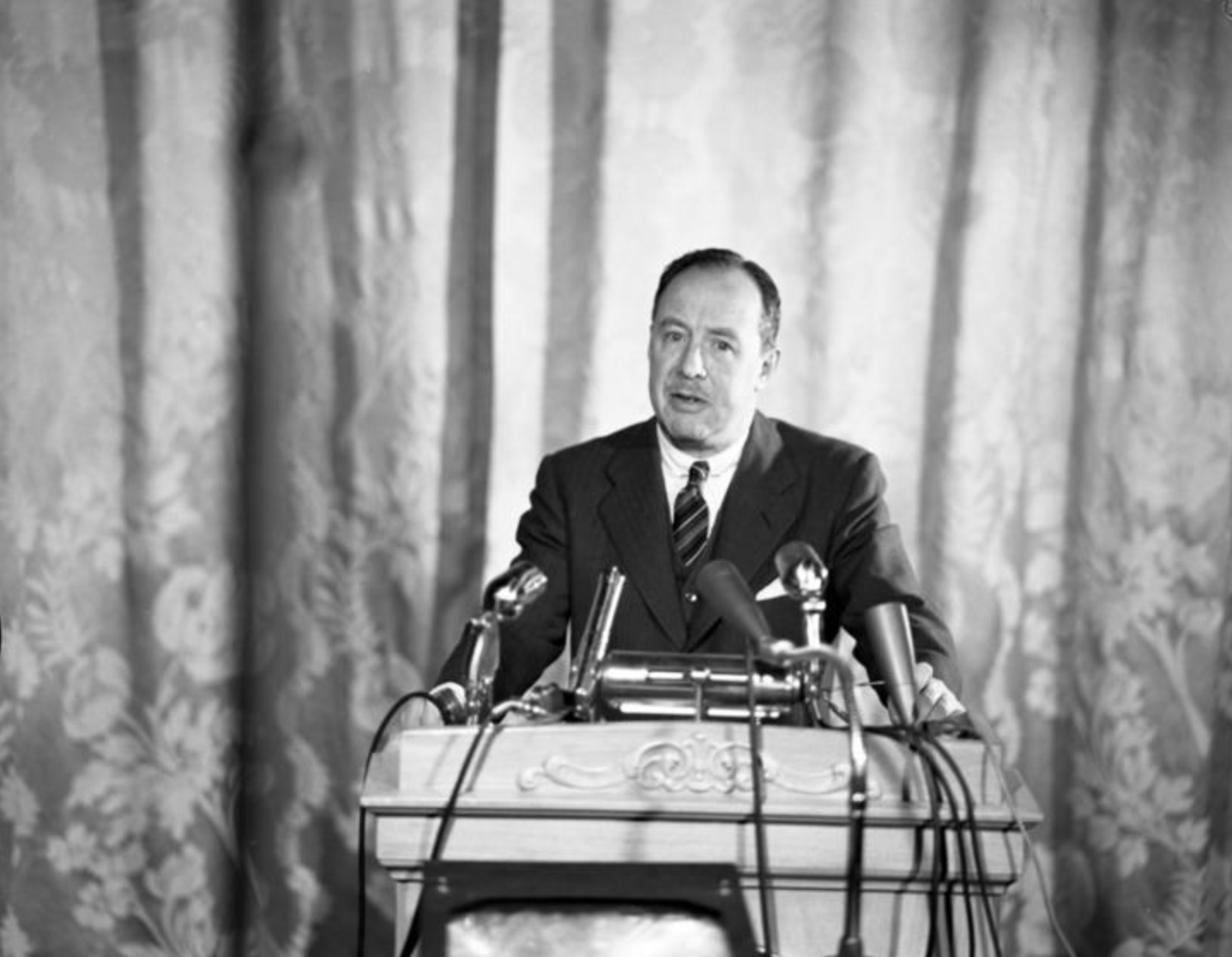
It describes the tendency of your immune system to become “imprinted” by its first encounters with a virus. Instead of responding flexibly to new viral variants, the immune system may continue to rely on old immunological memories, even when they are no longer the best match for the threat at hand.
In other words, your immune system can become stuck in the past and therefore of less use to you in the present! (you won’t read this in press releases).
Scientists today often use the gentler term immune imprinting, but the principle remains the same. Repeated exposure to similar vaccine antigens may sometimes narrow the range of immune responses available when a genuinely different influenza strain appears.
This is no longer merely a theoretical concern.
A major prospective study conducted by researchers at the Cleveland Clinic during the 2024–2025 influenza season followed 53,402 healthcare employees over 25 weeks. More than 82% of participants received the seasonal flu vaccine. Using sophisticated statistical analysis, the investigators found something unexpected: vaccinated employees experienced a significantly higher rate of influenza infection than their unvaccinated colleagues.
The calculated vaccine effectiveness was minus 26.9%.
Put simply, those who received the vaccine had a 27% higher risk of contracting influenza during the study period than those who did not receive it. The difference was statistically significant and persisted throughout the observation period.2
The authors themselves suggested immune imprinting and repeated annual vaccination as possible explanations.
This was not the first warning signal.
During the 2009 H1N1 pandemic, Canadian researchers reported that individuals who had received the seasonal influenza vaccine appeared to have an increased risk of infection with the novel pandemic strain. The findings generated considerable debate but have remained an important part of the scientific discussion surrounding immune imprinting and vaccine-induced susceptibility.3
None of this means influenza vaccines never work. In some years and for some populations they may offer meaningful protection. But it does challenge the simplistic assumption that more vaccination automatically equals more immunity.
Reality is often more complicated.
Safety concerns also deserve honest discussion. A wide range of adverse effects have been documented in the medical literature, including neurological, autoimmune, inflammatory, and hematological reactions. Most are uncommon, but they are real and should be part of any balanced risk-benefit assessment.
Yet while public health authorities devote enormous attention to vaccines, remarkably little attention is paid to alternatives that work through entirely different biological pathways.
One of the most intriguing is bovine colostrum.
 Moo!
Moo!
Colostrum is the first milk produced by mammals after giving birth. Rich in antibodies, immune factors, growth factors, lactoferrin, and signaling molecules, it serves as nature’s original immune support system.
For decades, researchers have investigated whether bovine colostrum could strengthen human immunity.
The results have been surprisingly impressive.
In 2007, researchers led by Gianni Cesarone studied high-risk cardiovascular patients and compared bovine colostrum supplementation with influenza vaccination. The findings were remarkable.
The colostrum group experienced significantly fewer episodes of influenza and respiratory illness. Overall protection appeared to be approximately three times greater than that achieved by vaccination. Even more striking, there were no hospital admissions in the colostrum group, while the vaccinated group experienced several hospitalizations and one death. Total healthcare costs associated with influenza and respiratory illness were reduced by approximately 70% among those taking colostrum.4
These are not trivial outcomes.
A follow-up investigation by Belcaro and colleagues in 2010 confirmed many of these benefits, again demonstrating substantial reductions in respiratory infections among individuals taking bovine colostrum.5
Why might colostrum work so well?
The answer lies in its fundamentally different mode of action.
Vaccines are highly specific. They attempt to train your immune system against predicted viral strains. If those predictions are accurate, protection may follow. If the virus changes substantially, effectiveness may fall.
Colostrum operates according to a different philosophy.
Rather than targeting a specific virus, it appears to strengthen the body’s overall immune competence.
It contains secretory immunoglobulins, especially IgA, which help defend mucosal surfaces such as the nose, throat, lungs, and digestive tract. It contains lactoferrin, a powerful iron-binding protein with antimicrobial and antiviral properties. It contains cytokines and growth factors that help regulate immune responses.
It also supports the gut microbiome, increasingly recognized as a central player in immune resilience.
In effect, colostrum helps strengthen the terrain rather than chasing individual pathogens.
That distinction may be especially important in a world where viruses constantly mutate.
The obvious question is this: if the evidence is so promising, why don’t we hear more about it?
Think dollars. The global flu vaccine market was valued at nearly $8 billion in 2023 and is projected to exceed $17 billion within the next decade.
Bovine colostrum is a natural substance. The cost is for pennies. It cannot easily be patented. Without patent protection, there is little incentive for pharmaceutical companies to invest tens of millions of dollars in the large-scale clinical trials typically required for official policy endorsement.
That economic reality does not prove crooked dealings, but it certainly helps explain why some interventions receive enormous attention while others remain largely invisible.
The same pattern can be seen elsewhere.
Vitamin D supplementation reduced the risk of influenza A by 59% in Japanese schoolchildren receiving 1,200 IU daily in a randomized controlled trial but you never hear about such science!6 Published studies have also reported benefits from probiotics, elderberry, echinacea, ginseng, and green tea extracts in supporting resistance to respiratory infections.
Yet these approaches rarely occupy center stage in public health messaging.
The lesson here is not that vaccines are always bad and natural remedies are always good.
The lesson is that you deserve the whole picture and you are never going to get it from dyed-in-the-wool doctors who listen only to Pharma science.
When evidence suggests that repeated vaccination may sometimes produce immune imprinting and even negative effectiveness, that evidence deserves attention, not being buried.
When a natural intervention such as bovine colostrum demonstrates superior outcomes in published clinical studies, that evidence deserves attention too.
Your immune system is not a machine waiting for annual software updates.
It is a dynamic, adaptive, extraordinarily sophisticated living self-regulating system that’s been in place of millions of years (long before Big Pharma and its profit takeover of “science”.
Perhaps the future of influenza prevention lies not in endlessly trying to outguess mutating viruses, but in learning how to strengthen the remarkable immune intelligence you already possess?
In other words, enhancing the terrain!

Prof. Keith Scott-Mumby
The Official Alternative Doctor
References
- Francis T Jr. On the doctrine of original antigenic sin. Proceedings of the American Philosophical Society. 1960;104(6):572-578.
- Shrestha NK, et al. Effectiveness of the Influenza Vaccine During the 2024–2025 Respiratory Viral Season. Cleveland Clinic cohort study, 2025.
- Skowronski DM, De Serres G, Crowcroft NS, et al. Association between the 2008–09 seasonal influenza vaccine and pandemic H1N1 illness during spring–summer 2009: four observational studies from Canada. PLoS Medicine. 2010;7(4).
- Cesarone MR, Belcaro G, Di Renzo A, et al. Prevention of influenza episodes with colostrum compared with vaccination in healthy and high-risk cardiovascular subjects. Clinical and Applied Thrombosis/Hemostasis. 2007;13(2):130-136.
- Belcaro G, Cesarone MR, Dugall M, et al. Prevention of flu episodes with colostrum compared with vaccination in healthy and high-risk cardiovascular subjects. Clinical and Applied Thrombosis/Hemostasis. 2010;16(5):530-534.
- Urashima M, Segawa T, Okazaki M, Kurihara M, Wada Y, Ida H. Randomized trial of vitamin D supplementation to prevent seasonal influenza A in schoolchildren. American Journal of Clinical Nutrition. 2010;91(5):1255-1260.