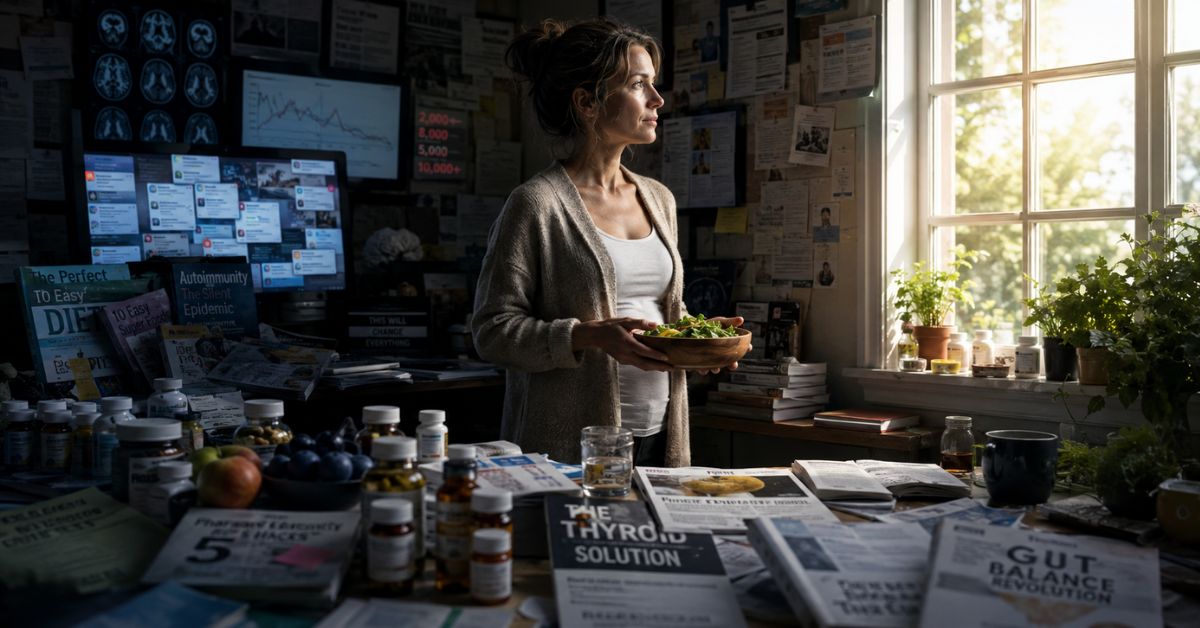
Eat better, you’ll be healthier. Everyone knows it. Doctors ignore it. There are no insurance codes in the USA, to get reimbursed for directing a patient towards improved eating. None! Meaning doctors get paid nothing for taking the extra time, care and trouble.
Sometimes they are punished for offering dietary advice. As long ago as 35 years, a colleague of mine was hauled before a medical tribunal. Why? His prescribing costs were very very low. He clearly wasn’t practising “proper” medicine, so he was attacked. The fact that ALL his patients were happy with his care and mostly got well didn’t protect him.
He was doing what I was doing: eliminating bandit foods, cleaning up their chemical environment, turning people to whole foods, adding nutritional supplements and counseling (in his case it was prayer). No place for God in modern medicine. Food is irrelevant. $$$ is the watchword.
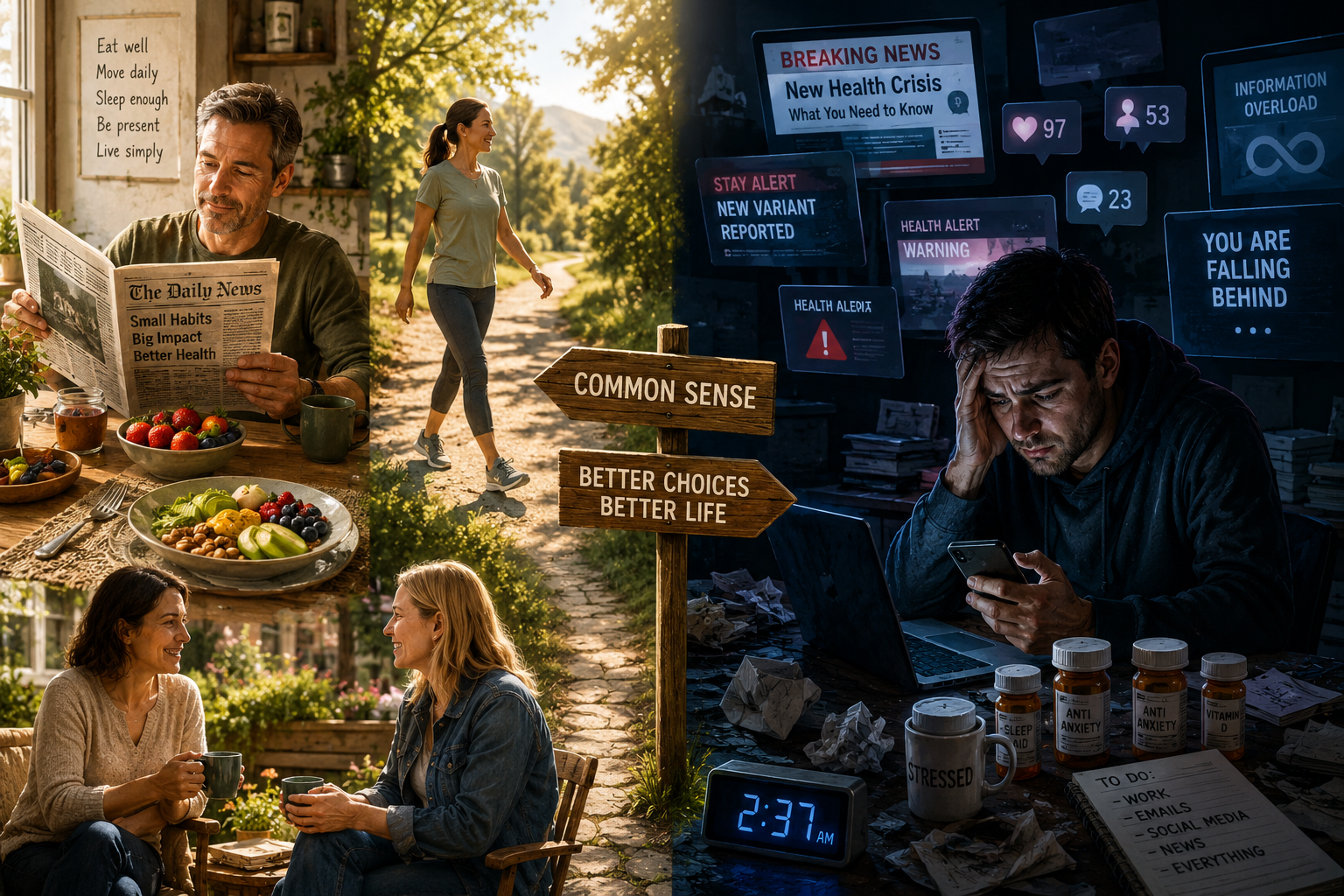
Of course there is a whole segment of modern medicine that doesn’t WANT cheap and effective health care. They want bigger and bigger bills, more costs, more money, more profits. And the majority of those, it has to be said, are not doctors and not even qualified to hand out payments for effective treatment. In other words the insurance bandits.
They are simple parasites on the body of society.
But all this may be about to change.
Tuft University Leads The Way
Diet should be considered an important part of a patient’s treatment along with medication, surgery, and other options, several experts said Wednesday at a “Food Is Medicine” meeting sponsored by Tufts University.
“I would want to see, in 2030, food as a vital sign,” said Sean Hashmi, MD, a nephrologist at the Southern California Permanente Medical Group in Woodland Hills. “And if we could do that, if we could make it so simple as … eat more of this, eat less of this — it’s very basic at its core. And if we as physicians were able to prescribe food as we prescribe an ACE inhibitor, how powerful would that be?”
Pretty heretical stuff. And like medieval heretics, it could get you burned. Big Pharma would be after your hide, with their army of shills to testify you are not practicing proper medicine; you are dangerous; your incompetence will kill people.
But as Hashmi said during the “Food is Medicine in the Era of GLP-1s” panel discussion, although improving diet can be an important component in treating various diseases, it doesn’t need to be done in isolation.
“Sometimes, when we start to talk about things like food as medicine, people automatically assume that you are anti-medications, and it couldn’t be further than the truth,” he noted. Instead, “we are carpenters. We use the most effective tool when it’s needed.”
For patients with congestive heart failure, for instance, “we’ve found by teaching them how to eat better, it’s making their medications far more effective. We find their ejection fraction [how much blood the heart pumps per contraction] improving because their weight is going down. We use GLP-1s all the time in that population, but the combination makes a difference.”
A great and informative story was shared by Alka Gupta, MD, a Washington internist and board member of the American College of Lifestyle Medicine. A 65-year-old patient had walked into her clinic 5 years ago.
“He had just gotten on Medicare, and he came in saying he had no medical problems,” she said. “Unfortunately, when he had his first set of blood work done, it revealed a hemoglobin A1c of 11.5%, consistent with floridly uncontrolled type 2 diabetes. This was a devastating diagnosis for him.”
“I could tell in that conversation that he was not open to starting insulin,” Gupta continued. “He was not open to starting three different medications to bring his blood sugars down. But, together, we decided on a combination approach: intensive lifestyle modification right away, plus, perhaps, medication. We sent him home with a Bluetooth-connected glucometer to check his glucose, and a weight scale, so when he checked his sugar or stepped on the scale, our team was able to see it, and we were able to be a bit reassured.”
Apparently this patient took it all on board and moved immediately towards a whole-food, plant-forward diet. Plus he walked an hour per day. Three months later, his hemoglobin A1c was 6.7% and it continued to decrease thereafter. And now — this is 5 years later — his diabetes has been in remission for almost the entire time.”
He had quit his medications within the first 3 months, and has continued without them since. Not only that but his chronic low back pain resolved itself, and he now leads a community walking group and shares his story widely.
Patient power, yay!
“If you think about that from the quality-of-life perspective, first and foremost, the rest of his life will likely look very different than had he taken a different path,” said Gupta. “And if you look at it from a systemic perspective, I think in the last 5 years, it’s very likely that he has avoided at least one, possibly multiple, hospitalizations for high blood sugar. He’s sidestepped the potential of side effects or low blood sugars from diabetes or other medications.”
Food Is Medicine
This is a trope I hope you’ll be hearing more of.
Efforts to implement a food-is-medicine approach are being aided by some efforts in Congress and at outside organizations, said Colin Schwartz, MPP, senior advocacy advisor for the American Heart Association’s Health Care by Food initiative.
[I didn’t even know the AMA had a “healthcare by food” initiative! It keeps very quiet normally].
Irrespective of the current government shutdown, “in the fiscal year 2026 appropriations bill … we had a lot of food-is-medicine wins in it,” he said on a separate panel. “It was nice to see, for instance, there was funding for the ‘[food] prescription’ pilots at the Indian Health Service. There’s funding for HHS to continue its food-is-medicine collaborative, and language supporting or encouraging establishment of centers of excellence at NIH for food is medicine.”

In addition, the NIH Office of Nutrition Research was flat-funded, “and that actually is a win in my book, in this [political] climate,” said Schwartz.
In other congressional developments, a bipartisan bill was recently reintroduced that would authorize a demonstration project to provide medically tailored home-delivered meals to Medicare patients in an effort to reduce rehospitalizations, he said. On the regulatory side, the Centers for Medicare & Medicaid Services (CMS) is asking for the public to provide comments on coding and billing for medically tailored meals, “and the House MAHA [Make America Healthy Again] Caucus just sent a letter to CMS asking that Medicare Advantage do more on food-is-medicine. So a lot of progress has been made.”
Billing for services related to food-is-medicine — and defining those services well — are definitely big issues, said Katie Garfield, director of Whole Person Care at the Center for Health Law and Policy Innovation at Harvard Law School in Boston.
“We don’t have billing codes for a lot of these interventions right now, and there has been an incredible effort by the Coding4Food project to create those billing codes,” she said. “As part of that process, you’re fundamentally also creating a more consistent definition of what these interventions are. And so I’m continuing to think about how we expand that work of definitions and standards that can really make sure that all services are sort of consistent in quality across the country.”
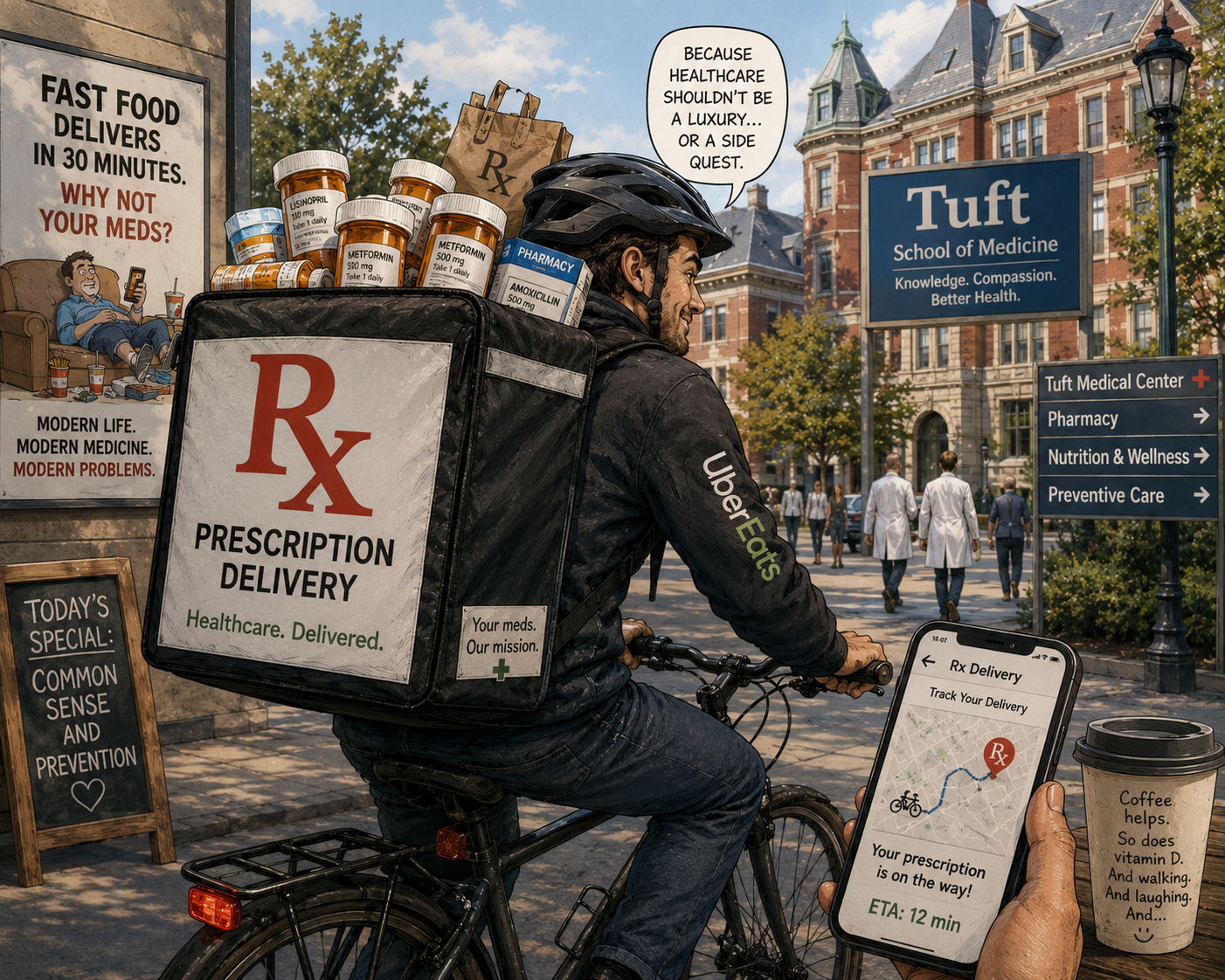
It would be great to see Uber Eats, Deliveroo and JustEat bikes zooming around town delivering healthy food to those who can’t really afford it! In the UK, we have “Meals on Wheels”, which is a charity but maybe they could be subsidized to do this work too!
Now that the stupid food pyramid has been turned on its head and started to work healthily, why not?
SOURCE:
Reporting by Kristen Monaco, Senior Staff Writer, MedPage Today
https://www.medpagetoday.com/people/km1521/kristen-monaco
https://www.medpagetoday.com/meetingcoverage/nkf/121214